
Is Now a Good Time to Sell Your Home in Encino? Signs to Watch in 2026
Encino's summer 2026 market is shifting. Here's how to read the signs, avoid costly timing mistakes, and decide when to list your home for sale.
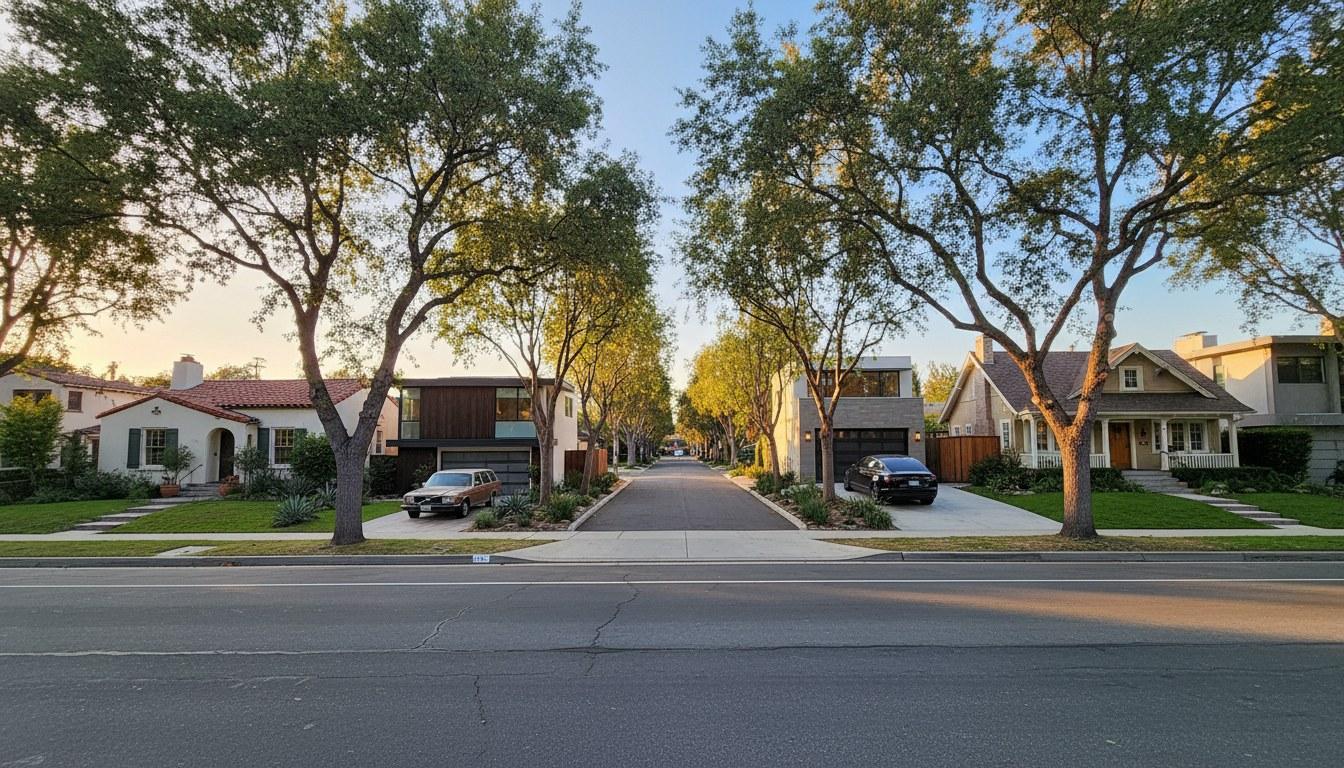
Why Is the Encino Housing Market Hard to Read Right Now?
Encino’s residential market in summer 2026 is performing well above the national average, but mixed signals are making sellers second-guess their timing. Median sale prices for single-family homes in the 91316 and 91436 ZIP codes have stayed above $1.2 million through the first half of 2026, yet days on market (DOM — how long a home sits listed before going under contract) have stretched from roughly 18 days in early 2025 to closer to 28 days this summer.
That shift is not a crash. It is a recalibration. Mortgage rates hovering in the mid-6% range have cooled the frenzy-buying of 2021 and 2022, but Encino’s limited inventory — the neighborhood has fewer than 60 active single-family listings at any given point this summer — continues to support prices. Southern California’s Mediterranean climate also plays a role: the late-spring and early-summer window, before Santa Ana winds and triple-digit heat arrive in the canyons, is historically when Encino buyers are most active.
Residential property sales in Encino are further shaped by the area’s housing stock. Most homes were built between the 1950s and 1980s, meaning sellers often face questions about deferred maintenance, updated systems, and California’s disclosure requirements. Understanding what buyers are scrutinizing right now is the first step toward a confident listing decision.
What Are the Warning Signs Your Timing May Be Off for Residential Property Sales in Encino?
Seven specific signals suggest a seller may be moving too early, too late, or with the wrong pricing strategy for the current Encino market. Catching these early can save months of carrying costs and prevent a price reduction that signals weakness to buyers.
- Your comps are older than 90 days: Comparable sales (comps) used to set your list price should come from the last 60 to 90 days. Encino’s micro-market can shift meaningfully quarter to quarter, and stale comps lead to overpricing.
- Active listings near you have sat 45+ days: When similar homes in your neighborhood are not moving within 30 to 45 days, buyers are signaling that the price band is wrong or condition concerns are real.
- You have not addressed California-required disclosures: California law requires sellers to complete a Transfer Disclosure Statement (TDS) and, in Encino, a Natural Hazard Disclosure (NHD) covering fire zone and seismic risk. Incomplete disclosures delay escrow (the neutral third-party account that holds funds during a sale) by weeks.
- Your home has visible deferred maintenance: Buyers in the $1M-plus range expect move-in condition. Cracked driveways, aging HVAC systems, or outdated electrical panels in mid-century Encino homes are the top reasons offers come in 5% to 8% below list.
- You are relying on a Zestimate as your price: Automated valuation tools miss Encino’s hyper-local variables: lot size premiums near the Santa Monica Mountains, pool value, and the difference between a flat-street address and a hillside lot with canyon views.
- Interest rate news is driving your urgency: Trying to time a sale around a Fed announcement is nearly impossible. Sellers who list based on rate speculation rather than personal readiness and local inventory levels consistently underperform those who focus on preparation.
- You have not factored in capital gains exposure: California taxes capital gains as ordinary income, with a state rate up to 13.3% on top of federal rates. If you have owned your Encino home for more than 2 years, you may qualify for the federal exclusion of up to $250,000 (single filer) or $500,000 (married filing jointly) under IRS Section 121. Consult a tax professional before listing to understand your net proceeds.
| Warning Sign | Likely Cause | DIY or Pro? |
|---|---|---|
| Stale comps used for pricing | Market shifted since last pull; seasonal price changes | Pro — request a fresh CMA from your agent |
| Nearby listings sitting 45+ days | Overpricing or condition issues in the price band | Pro — adjust strategy before listing |
| Incomplete TDS or NHD disclosures | Missing paperwork or unawareness of CA requirements | Pro — agent and real estate attorney review |
| Visible deferred maintenance | Aging housing stock (1950s–1980s builds common in Encino) | DIY minor fixes; Pro for HVAC, electrical, roof |
| Relying on automated valuation tools | Algorithms miss lot, view, and micro-location premiums | Pro — local agent CMA is the reliable benchmark |
| Capital gains not calculated | Ownership duration and improvement costs not tracked | Pro — CPA or tax advisor before listing |
What Can You Check Yourself Before Listing?
Several preparation steps for residential property sales in Encino are squarely in a seller’s control and cost little or nothing to address before the first showing. Working through this list in the 30 to 60 days before you list puts you ahead of roughly 70% of competing sellers who skip preparation entirely.
Step 1: Pull Your Own Permit History
Los Angeles County’s online permit portal lets you search your property address and see every permit pulled since the 1990s. Unpermitted additions — a common issue in Encino’s older ranch-style homes — must be disclosed and can kill a sale in escrow if a buyer’s lender flags them. Knowing your permit history before listing gives you time to address or price accordingly.
Step 2: Order a Preliminary Title Report
A preliminary title report (a document showing who legally owns the property and any liens against it) costs between $150 and $300 in the regional market. It surfaces issues like unpaid HOA assessments, tax liens, or easements that would delay a close. Sellers who order this early avoid the 2- to 3-week delay that title surprises cause mid-escrow.
Step 3: Walk Your Property With Buyer Eyes
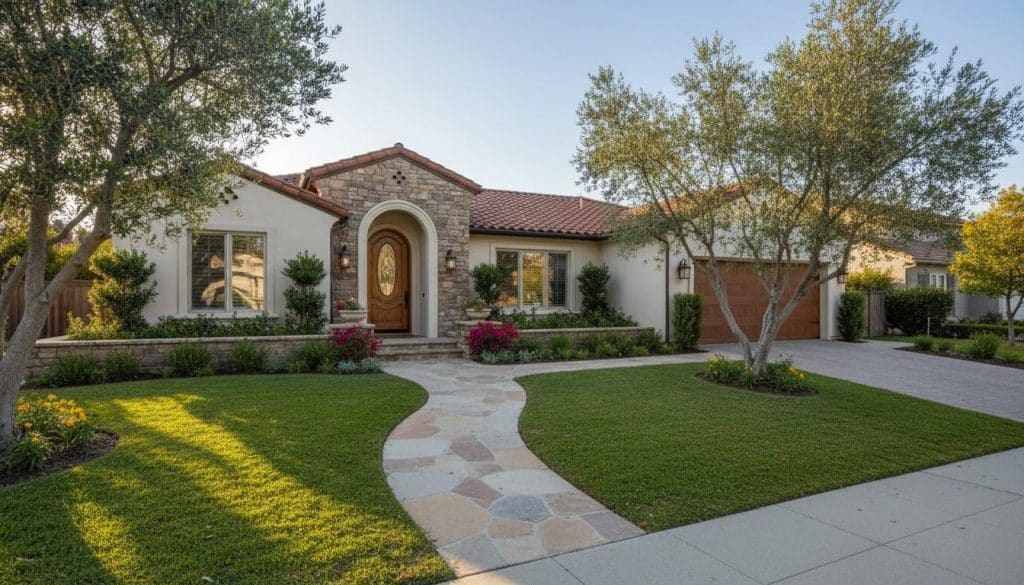
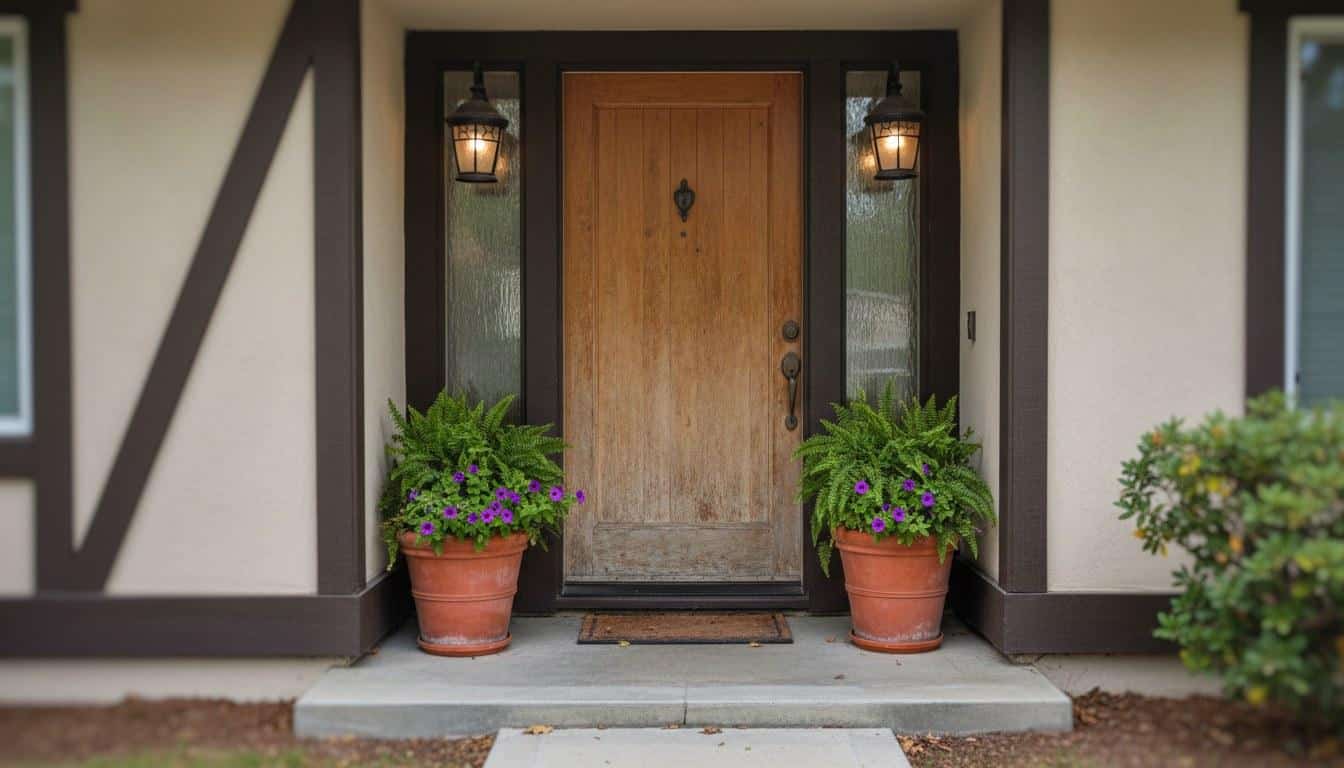
Stand at your curb and note what a buyer sees in the first 30 seconds. In Encino, landscaping matters: drought-tolerant plantings look intentional and appeal to buyers aware of Southern California’s water costs. Dead grass or overgrown hedges signal neglect and invite low offers. Simple curb improvements typically return 3 to 5 times their cost in buyer perception.
Step 4: Gather Your Utility and Maintenance Records
Buyers in the $1M-plus range ask about utility costs and system ages. Knowing your HVAC was replaced 4 years ago, your roof has 12 years of life left, and your average summer electric bill runs around $200 per month answers buyer questions before they become contingency (a condition a buyer sets that must be met before the sale closes) concerns.
Step 5: Research the IRS Section 121 Capital Gains Exclusion
If you have lived in your Encino home as your primary residence for at least 2 of the last 5 years, you likely qualify to exclude up to $250,000 (single) or $500,000 (married) of your gain from federal income tax. Keeping records of capital improvements — a kitchen remodel, a new roof, added square footage — increases your cost basis and reduces taxable gain. Always confirm specifics with a licensed CPA.
Step 6: Check California’s Title 24 and Recent Retrofit Requirements
As of 2026, California’s Title 24 building energy standards require sellers to disclose certain energy and water efficiency features. Some retrofit requirements — like low-flow water fixtures — are triggered at point of sale. Your agent can walk you through what applies to your specific property before you list.
When Should You Call a Real Estate Professional in Encino?
Call a licensed agent the moment you are within 90 days of wanting to list — not the week you decide to go live. The preparation window is where most of the value in a residential property sale in Encino is either captured or lost.
Our technicians — here, agents and transaction coordinators — handle roughly 3 to 4 times more listing preparation calls in April through June than in any other quarter, which tracks with Encino’s seasonal buying surge. Sellers who engage 60 to 90 days early consistently net more than those who call when they are ready to list tomorrow.
Sellers who engage 60 to 90 days early consistently net more than those who call when they are ready to list tomorrow.
A professional agent brings a current Comparative Market Analysis (CMA — a data-driven report comparing your home to recent sales, active listings, and expired listings in your area). In Encino, a reliable CMA draws from sales within 0.5 miles and within the last 60 days, weighted by square footage, lot size, pool presence, and school district boundary (the Encino area spans both LAUSD and Las Virgenes Unified boundaries, which affects buyer demand).
Across our listing consultations in Encino over the past 18 months, the single most common pricing error we see is sellers anchoring to a neighbor’s list price rather than that neighbor’s actual closed price — a gap that averaged 4% to 6% in the first half of 2026. List price is an ask; closed price is the market’s answer.
You also need a professional when any of the following apply:
- Probate or trust sale: These require court confirmation in California and have specific timeline rules that differ from a standard residential sale.
- Tenant-occupied property: California’s tenant protection laws, including AB 1482 (the statewide rent cap law, in effect since 2020), affect how and when you can list and show a tenant-occupied Encino property.
- Multiple offers expected: Managing an offer deadline, escalation clauses, and appraisal gap coverage requires experience. A poorly run multiple-offer process can expose a seller to legal risk.
- You need a bridge or simultaneous close: Selling one Encino home while buying another in the same market requires precise escrow coordination. An agent who knows both sides of the transaction prevents the timing gaps that force sellers into short-term rentals.
California requires that agents representing buyers and sellers in residential transactions hold a valid license issued by the California Contractors State License Board (CSLB) — or more precisely, a license through the California Department of Real Estate (DRE). Always verify your agent’s DRE license number before signing a listing agreement.
Get Expert Help with Your Encino Home Sale
Timing a residential property sale in Encino takes more than watching the news. It takes current local data, accurate pricing, and a preparation plan built around your specific home and situation. Whether you are 90 days out or just starting to think about it, the right conversation now saves weeks of market time and thousands in unnecessary price reductions later.
Call Haft Group RE at (818) 999-2030 to schedule a no-obligation listing consultation. Get a current CMA for your Encino home, a clear picture of your net proceeds after costs, and a preparation timeline built around your goals — before you make any public moves.
Frequently Asked Questions
How do I figure out how much capital gains tax I'll owe when I sell my Encino home?
Your capital gain is calculated by subtracting your adjusted cost basis (what you originally paid plus the cost of qualifying improvements) from your net sale price after selling costs. If you have lived in the home as your primary residence for at least 2 of the last 5 years, you may exclude up to $250,000 of gain if single or $500,000 if married filing jointly under IRS Section 121. California taxes any remaining gain as ordinary income at rates up to 13.3%, so the net tax hit can be significant on a high-value Encino sale. A licensed CPA familiar with California real estate transactions can run the exact numbers for your situation before you list.
Are there legal ways to reduce the taxes I owe when selling my house in Encino?
Yes — the most common strategies involve maximizing your cost basis and qualifying for the primary-residence exclusion. Keeping records of capital improvements (remodels, roof replacements, added square footage) increases your basis and reduces your taxable gain dollar for dollar. A 1031 exchange lets you defer capital gains tax entirely if you reinvest the proceeds into another investment property within IRS timelines, but it does not apply to a primary residence sale. Some sellers also time the close to fall in a lower-income tax year. Always work with a tax professional before deciding on a strategy, since California's rules add complexity beyond the federal picture.
How long does it typically take to sell a home in Encino right now?
In summer 2026, well-priced single-family homes in Encino are going under contract in roughly 20 to 30 days. Homes that are overpriced or have deferred maintenance are sitting closer to 45 to 60 days before the seller either accepts a lower offer or reduces the list price. The full close, from accepted offer through the end of escrow, typically takes an additional 21 to 30 days in California. Haft Group RE can give you a more precise estimate based on your specific property and current comparable sales — call (818) 999-2030.
What disclosures do I have to make when selling a home in California?
California sellers are required to complete a Transfer Disclosure Statement (TDS), a Natural Hazard Disclosure (NHD), and a Seller Property Questionnaire (SPQ), among other forms. In Encino, the NHD is especially relevant because parts of the area fall within designated fire hazard severity zones and seismic hazard zones. Failure to disclose known material facts — including past water damage, unpermitted work, or neighborhood nuisances — can expose a seller to legal liability after the close. Your agent will walk you through the full disclosure package, and you should have a real estate attorney review anything you are unsure about.
Is summer actually a good time to list a home for sale in Encino?
Summer is historically one of Encino's stronger listing windows because families want to move before the school year starts, and Southern California's mild early-summer weather draws active buyers. The window from late April through mid-July tends to produce the most competitive offers. By August, buyer activity slows as vacation schedules and back-to-school planning reduce showing traffic. If your home is ready, listing in June or early July in 2026 still puts you inside the active season — but preparation matters more than the exact week you go live.