

Explaining Title, Escrow, and Closing for Sellers & Buyers
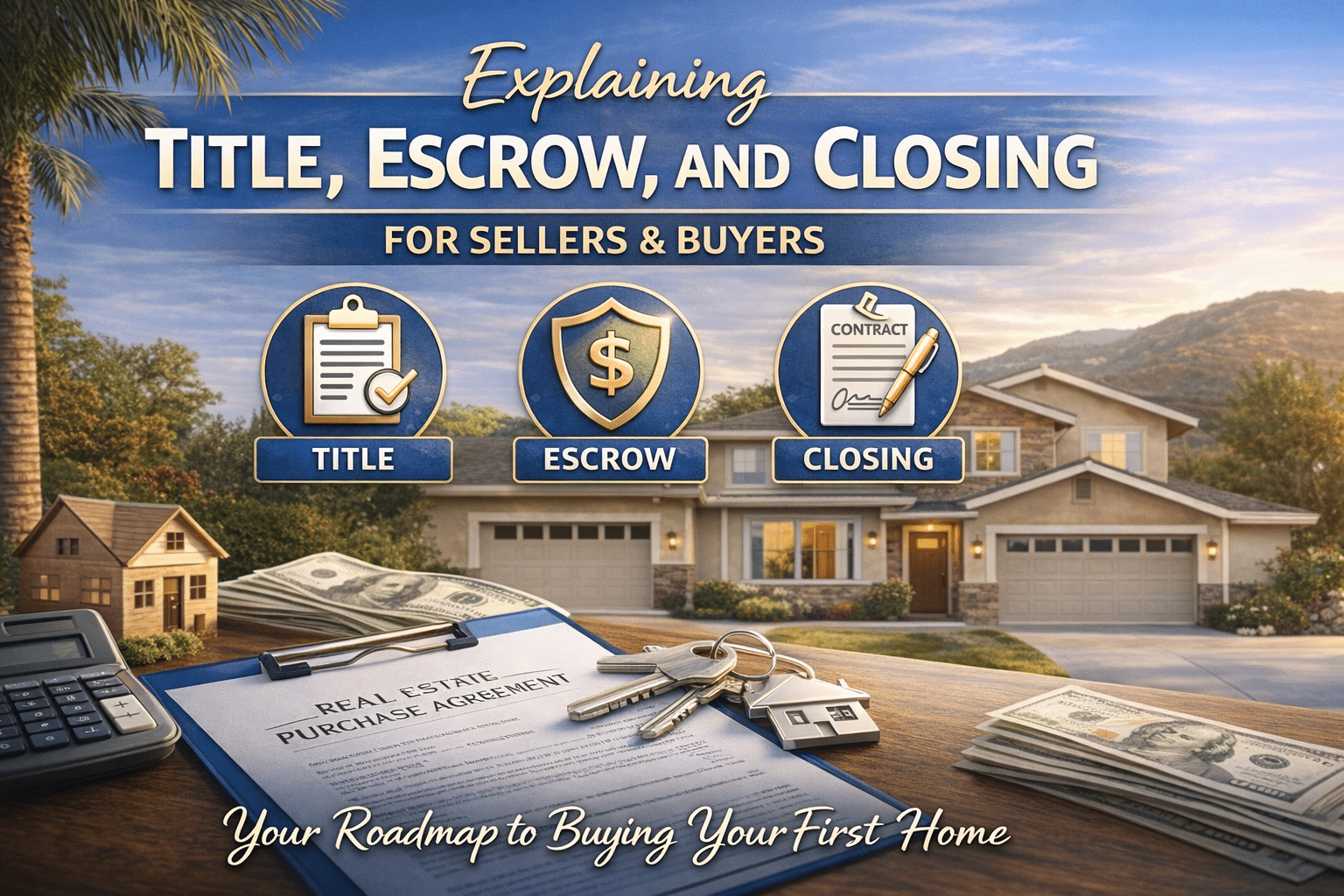
Whether you’re buying or selling a home in Woodland Hills or the surrounding San Fernando Valley communities, understanding title, escrow, and closing is essential. These three components form the backbone of every real estate transaction in California. While they may sound technical, they simply represent the structured process that ensures a safe, legal, and secure transfer of property from one party to another.
 What Is Title?
“Title” refers to the legal ownership of a property. When you hold title to a home, you have the legal right to use, sell, or transfer it. However, before a property changes hands, the title must be carefully reviewed to ensure there are no outstanding claims, liens, unpaid taxes, or legal disputes attached to it.
In California transactions, a title company conducts a title search once a home goes under contract. This search verifies that the seller truly owns the property and confirms that no hidden issues could prevent the transfer. If something appears, such as an old lien or unresolved judgment, it must be cleared before closing.
For buyers, title insurance provides protection in case an issue surfaces after the purchase. For sellers, ensuring clean title avoids delays and last-minute surprises that could jeopardize the sale.
What Is Escrow?
Escrow is a neutral third-party process that protects both buyers and sellers during the transaction. Once an offer is accepted, escrow is opened. An escrow company acts as the independent holder of funds and documents, ensuring that all contractual terms are met before money and property change hands.
During escrow, the buyer deposits their earnest money, the lender processes the loan, inspections are completed, and the title company prepares documents. The escrow officer coordinates communication between the buyer, seller, lender, title company, and real estate agents.
Escrow ensures that the seller does not transfer ownership until payment is secured, and the buyer does not release funds until all agreed-upon conditions have been satisfied. In California, escrow typically lasts between 21 and 30 days, although timelines may vary depending on financing and negotiations.
What Happens During Closing?
Closing is the final step of the transaction. It occurs once all contingencies have been removed, loan approval is finalized, and documents are signed.
For buyers, closing involves signing loan documents, reviewing settlement statements, and wiring the remaining funds needed to complete the purchase. For sellers, closing includes signing transfer documents and confirming payoff of any outstanding mortgage balance.
Once documents are signed and funds are received, the transaction is recorded with the county. Recording officially transfers ownership from the seller to the buyer. In Los Angeles County, this typically happens within one business day after funding. When recording is complete, escrow closes and the buyer receives the keys.
Why This Process Matters
Title, escrow, and closing exist to protect everyone involved. Real estate transactions involve large sums of money and legal responsibility. The structured escrow process ensures no one is exposed to unnecessary risk.
For buyers, it provides financial security and confirms the property is legally transferable. For sellers, it guarantees that funds are verified and secured before ownership is released. The title company ensures there are no hidden ownership disputes, and the escrow officer ensures every contractual obligation is fulfilled.
Common Questions from Buyers and Sellers
Many first-time participants in a transaction wonder who chooses the escrow and title company. In most California transactions, the seller customarily chooses the title company, while escrow selection may vary depending on local practice and negotiations.
Another common question involves closing costs. Both buyers and sellers have associated costs, including escrow fees, title insurance, transfer taxes, and lender-related expenses. These are clearly outlined in the settlement statement prior to signing.
Understanding these steps in advance removes uncertainty and helps both parties move through the process with confidence.
Final Thoughts
Buying or selling a home in Woodland Hills, Calabasas, West Hills, Tarzana, or anywhere in the San Fernando Valley involves more than just agreeing on a price. Title, escrow, and closing ensure that the transfer of ownership is handled professionally, legally, and securely.
With the right guidance and a clear understanding of each stage, the process becomes far less intimidating. Whether you are purchasing your first home or selling a long-held property, knowing how title, escrow, and closing work empowers you to make informed decisions every step of the way.


