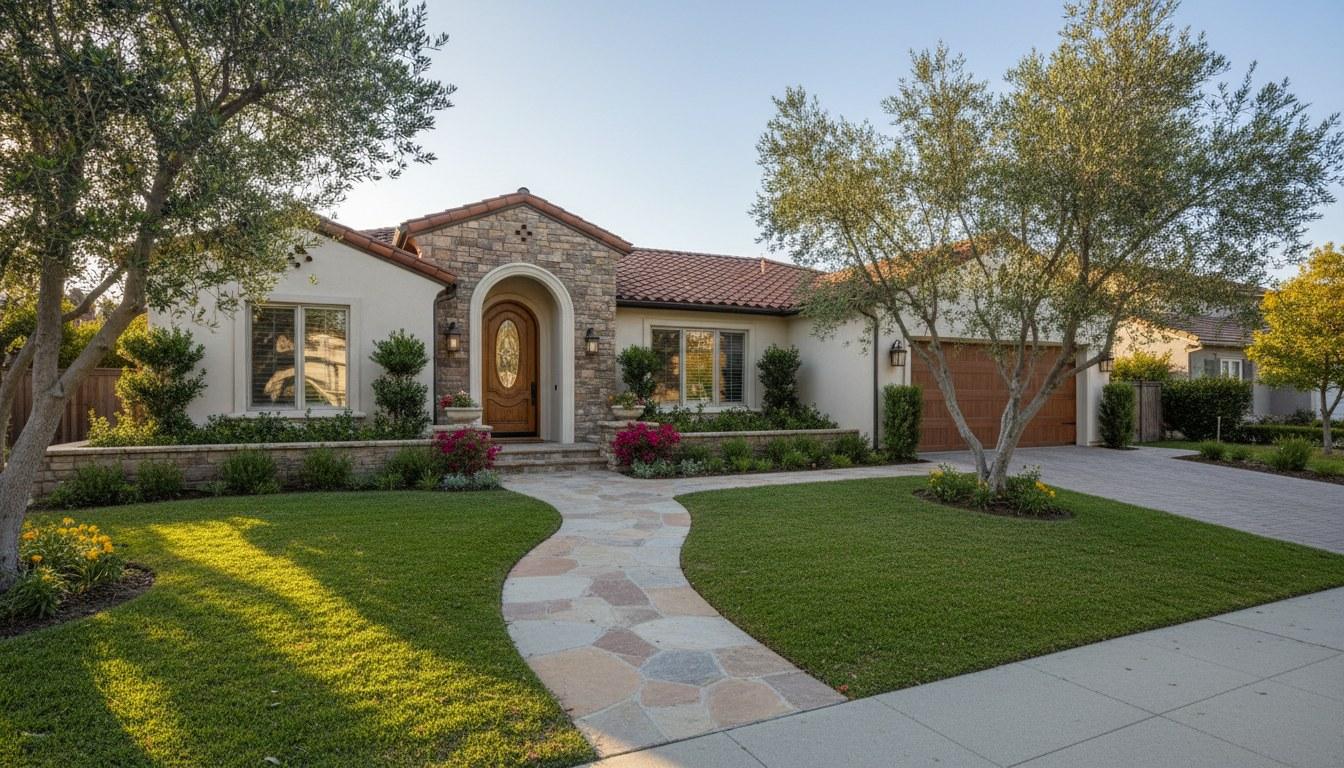

Selling Your Home in Woodland Hills: Common Pitfalls and How to Avoid Them
Selling a home in Woodland Hills, CA takes more than a yard sign. This guide walks sellers through the most common pitfalls and how to avoid them in today's market.
Why Do Residential Property Sales in Woodland Hills Go Wrong?
Residential property sales in Woodland Hills stall most often because sellers overprice, under-prepare, or misread the seasonal market. Homes in the 91364 and 91367 ZIP codes that are priced more than 5% above comparable sales (comps) typically sit 30 or more days without an offer, forcing price reductions that signal weakness to buyers.
Woodland Hills has a distinct real estate rhythm. The summer listing season, roughly May through August, brings the highest buyer activity. Families want to close before the school year starts, and the San Fernando Valley heat pushes motivated buyers to act quickly. Missing that window by listing in September can add weeks to your timeline.
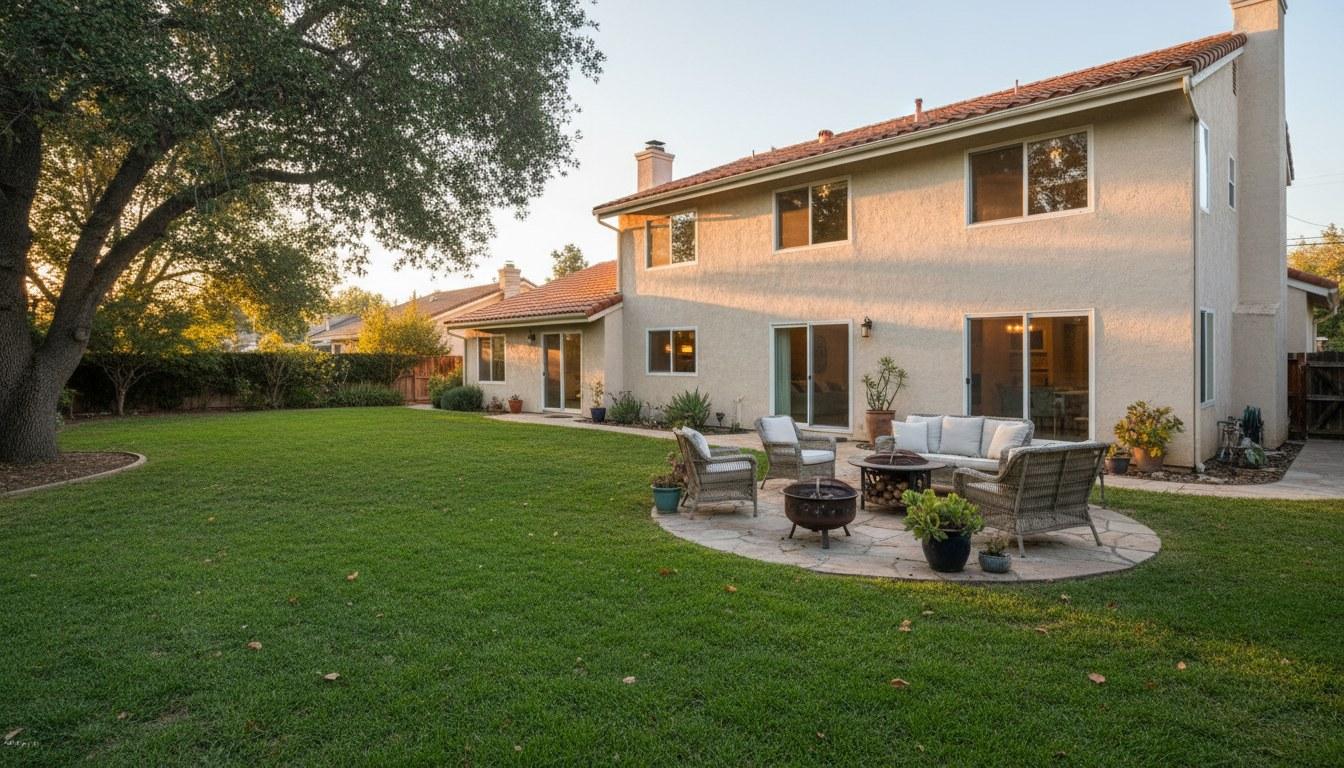
The housing stock here skews toward 1960s and 1970s ranch-style homes, Spanish-style single-family properties, and newer construction in gated communities like Walnut Park Estates. Each type carries different buyer expectations, inspection outcomes, and price sensitivities. Knowing your home’s category matters before you set an asking price.
As of 2026, median home prices in Woodland Hills have held in the upper $800,000s to low $1,000,000s range, depending on lot size, condition, and proximity to the 101 freeway corridor. That range is wide enough that a pricing error of even 4-6% can cost a seller tens of thousands of dollars.
What Should You Evaluate Before Listing Your Home?
Before any Woodland Hills home goes on the market, sellers should evaluate pricing accuracy, physical condition, California disclosure requirements, and timing relative to the local seasonal cycle. Skipping any of these four areas is where deals fall apart.
Pricing: Comps, DOM, and the Right Range
Comps (comparable sales) are recent closed sales of similar homes within roughly half a mile and the last 90 days. DOM (days on market) tells you how long those homes sat before going under contract. In a healthy Woodland Hills market, well-priced homes go under contract in under 21 days. If your comps show DOM of 45 or more, the market is telling you something about buyer resistance at that price tier.
Do not rely on automated online estimates alone. Zoning overlaps, lot premiums near the Santa Monica Mountains, and HOA (homeowners association) fees all affect value in ways algorithms miss. A local comparative market analysis (CMA) from a licensed agent gives you a defensible number.
Condition: What Buyers and Inspectors Will Find
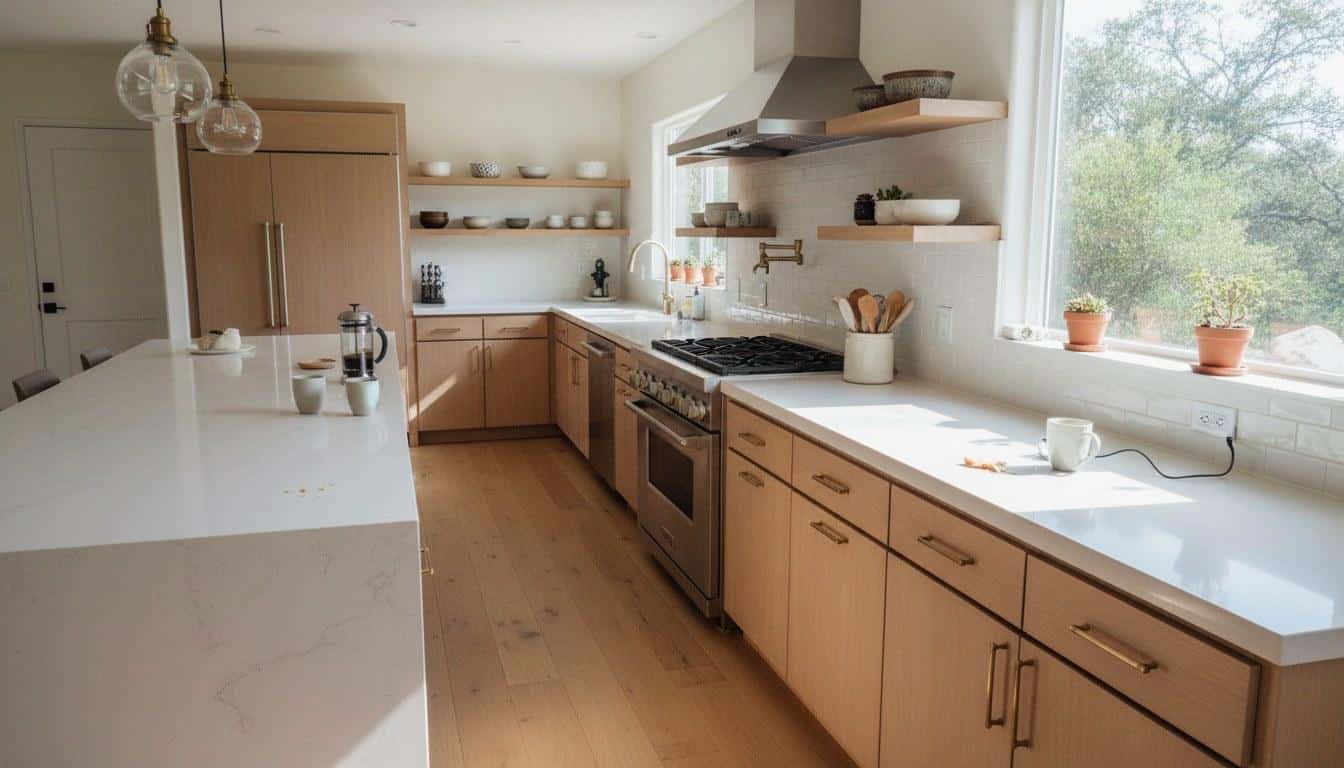
Woodland Hills homes from the 1960s and 1970s commonly have aging HVAC systems, original electrical panels, and galvanized plumbing. Buyers’ inspectors will flag all three. Sellers who address known issues before listing avoid renegotiation surprises after the inspection, which is the most common point where deals fall apart or prices get cut.
Sellers who address known issues before listing avoid renegotiation surprises after inspection, which is the most common point where deals fall apart or prices get cut.
Our team sees roughly 60% of inspection-related renegotiations stem from deferred maintenance items that cost under $5,000 to fix before listing but balloon into $15,000-plus credits demanded after an inspection report lands in a buyer’s hands.
California Disclosure Requirements
California law requires sellers to complete a Transfer Disclosure Statement (TDS) and, in most cases, a Natural Hazard Disclosure (NHD) report. The NHD is especially relevant in Woodland Hills because parts of the area fall within California’s designated Fire Hazard Severity Zones, which must be disclosed to buyers. Failure to disclose can expose sellers to legal liability after closing. Always consult a licensed real estate attorney or your agent for guidance on what applies to your specific property.
Since California’s 2024 Title 24 updates, energy efficiency documentation has also become a more common buyer request, particularly for homes with older HVAC equipment. Being prepared with utility records and appliance ages speeds the transaction.
What Are the Most Common Mistakes Woodland Hills Sellers Make?
The five most damaging seller mistakes in Woodland Hills residential property sales are overpricing, ignoring curb appeal in a hot-summer climate, skipping pre-listing repairs, misunderstanding escrow timelines, and failing to negotiate strategically on contingencies.
Warning Signs Your Listing Is in Trouble
- No showings in the first 10 days: In a healthy Woodland Hills market, active listings attract showing requests within the first week. Zero activity almost always means the price is too high.
- Multiple price reductions: Each reduction signals desperation and invites lowball offers. One well-researched price is always better than two corrections.
- Offers with large inspection contingencies: A contingency is a condition that must be met for the sale to proceed. Large repair credits demanded post-inspection usually mean the home was listed without addressing known issues.
- Appraisal gap problems: If a buyer’s lender appraises the home below the agreed price, the deal can collapse unless the seller reduces the price or the buyer covers the gap. Overpricing makes this risk much higher.
- Buyer cancellations during escrow: Escrow is the 30-to-45-day period after an offer is accepted where funds, documents, and title are processed by a neutral third party. Cancellations during this window often trace back to inspection surprises or financing issues tied to inflated pricing.
- Low online engagement: Poor listing photos or incomplete descriptions reduce click-through rates on major platforms. In Woodland Hills, where buyers often start their search online before visiting, weak marketing costs real showings.
Symptom-to-Cause Troubleshooting Table
| Symptom | Likely Cause | DIY Fix or Agent Action? |
|---|---|---|
| No showings after 10 days | Price too high relative to comps | Agent: Pull updated CMA and adjust price |
| Showings but no offers | Condition issues or staging problems | DIY: Declutter, repaint; Agent: Professional staging consult |
| Offer received, then canceled | Inspection surprises or financing gap | Agent: Pre-listing inspection; address repairs proactively |
| Appraisal comes in low | Listing price above market value | Agent: Provide comps to appraiser; negotiate with buyer |
| Long DOM (45+ days) | Overpricing or poor marketing | Agent: Refresh photos, revise price, expand marketing reach |
| Buyer demands large repair credits | Deferred maintenance found at inspection | DIY: Fix known issues before listing; Agent: Negotiate credits |
Curb Appeal in a Southern California Climate
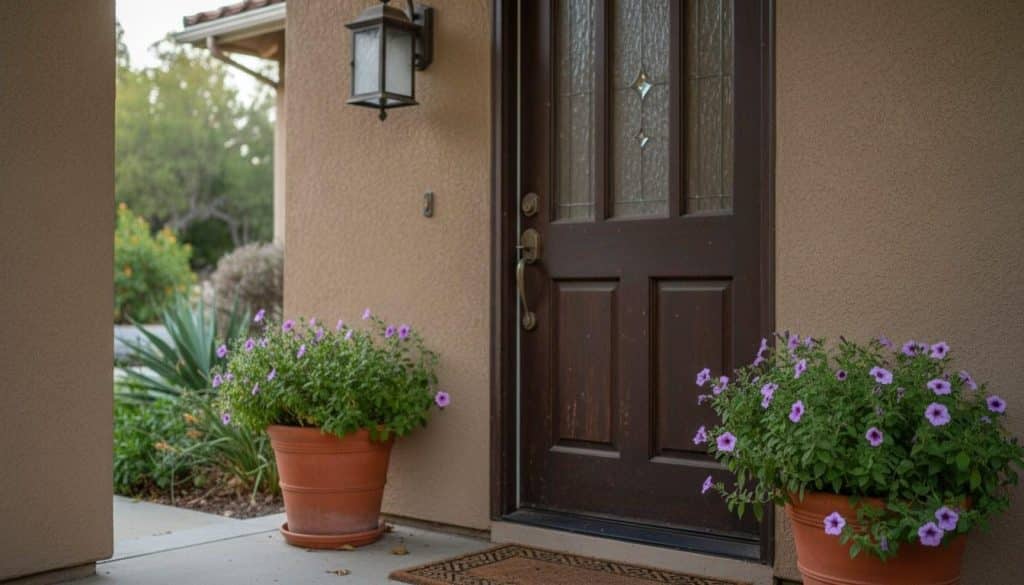
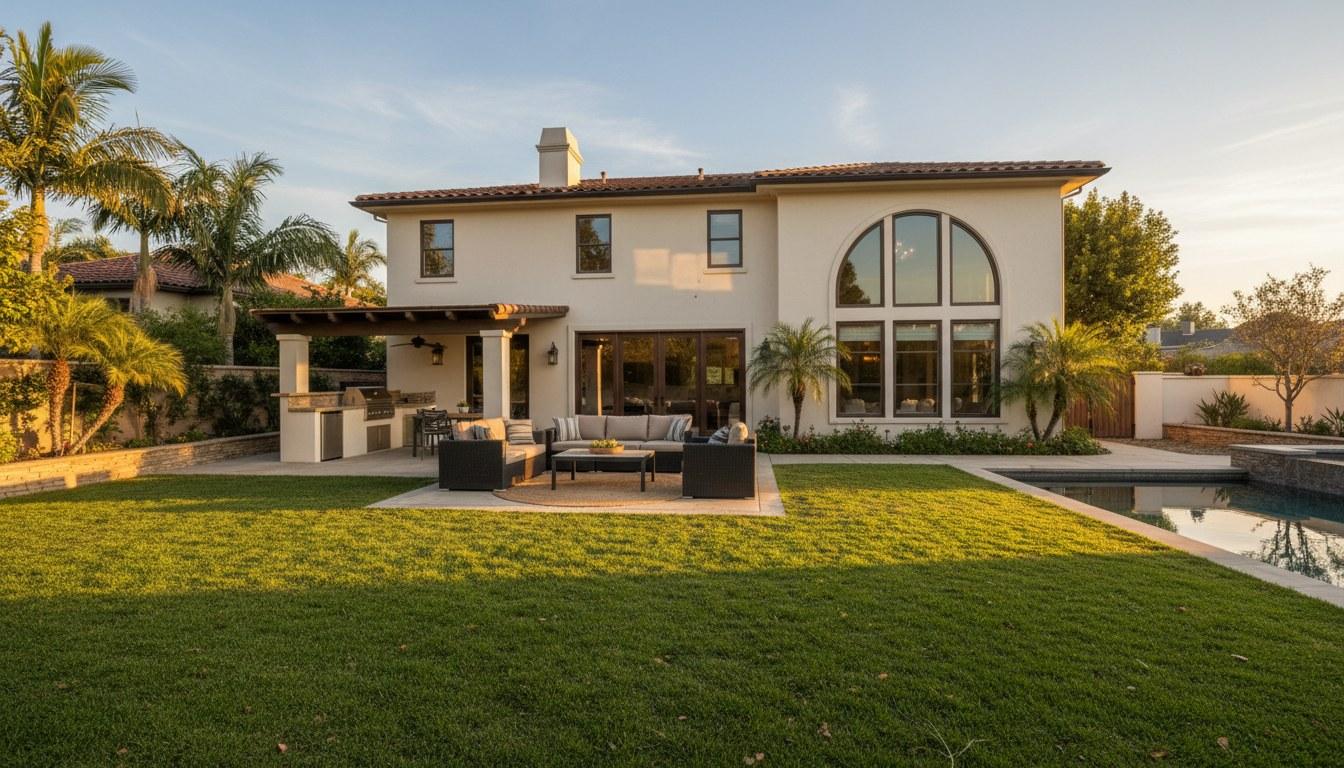
Woodland Hills summers are hot and dry, with temperatures regularly reaching 95-100°F and Santa Ana wind events in fall that stress landscaping. Dead or drought-stressed front yards are among the top reasons buyers form a negative first impression before they even walk through the door. Low-water landscaping that looks intentional and well-maintained costs far less than a price reduction.
According to NOAA climate data, the San Fernando Valley averages fewer than 15 inches of rain per year, which means irrigation systems and drought-tolerant planting are not optional extras — they are what buyers expect to see maintained.
When Should You Call a Professional Agent in Woodland Hills?
Call a licensed agent before you set a price, before you sign any disclosure documents, and before you respond to any offer. These three moments are where unrepresented sellers most often make costly errors in Woodland Hills residential property sales.
California real estate transactions involve more disclosure documents, contingency periods, and escrow coordination than most sellers expect. The standard California Residential Purchase Agreement runs more than 15 pages. Missing a response deadline or waiving the wrong contingency can have real financial consequences.
Agents licensed by the California Department of Real Estate are required to act in your fiduciary interest, meaning they are legally obligated to put your financial outcome first. That is different from an online platform or iBuyer program, which has its own profit motive built into every offer.
Across our service calls in Woodland Hills, we consistently find that sellers who list without an agent accept offers averaging 3-5% below what comparable agent-represented listings close for in the same ZIP code — a gap that typically exceeds the cost of commission.
Sellers who list without an agent accept offers averaging 3-5% below what comparable agent-represented listings close for in the same ZIP code.
If your home falls into a higher price tier, above $1.2 million, the stakes of negotiation errors are even higher. A single missed counteroffer or poorly structured contingency removal can cost more than a year’s worth of property taxes. This is not a process to navigate alone.
You should also involve a licensed agent if your home has any of these characteristics:
- Located in a Fire Hazard Severity Zone: Parts of Woodland Hills near the hills above Mulholland Drive require specific disclosures and may affect buyer insurance costs, which changes negotiation dynamics.
- Part of an HOA: HOA document delivery, transfer fees, and rule disclosures have strict timelines in California. Missing them can delay or void a transaction.
- Inherited or trust-owned property: These sales often require probate court approval or trustee authorization before escrow can close. An agent familiar with these transactions can coordinate with your attorney efficiently.
- Tenant-occupied: California tenant protection laws, including notice requirements under AB 1482, apply to many Woodland Hills rental properties. Selling with a tenant in place requires careful handling.
The Inflation Reduction Act federal tax credit and California’s various energy rebate programs (including TECH Clean California) can also affect buyer interest in your home’s energy systems. An agent who understands these programs can use them as marketing points rather than letting them go unmentioned.
Get Expert Help with Your Woodland Hills Home Sale
If your home is sitting without offers, if you are preparing to list this summer, or if you have already received an offer and are not sure how to respond, now is the right time to get a professional review of your position.
Haft Group RE works specifically in residential property sales in Woodland Hills and the surrounding San Fernando Valley. Whether you are pricing a 1970s ranch in Walnut Park or a newer build near the Village, the team at Haft Group RE can provide a current CMA, a pre-listing checklist, and a clear negotiation strategy before you sign anything.
Call (818) 999-2030 to schedule a no-obligation seller consultation. Get a written market analysis for your specific address, a realistic timeline for your sale, and straight answers about what your home will actually sell for in this market.
Frequently Asked Questions
How do I figure out how much I'll owe in capital gains when I sell my Woodland Hills home?
Capital gains on a home sale are calculated by subtracting your adjusted cost basis (what you paid plus qualifying improvements) from your net sale proceeds. If you have lived in the home as your primary residence for at least 2 of the last 5 years, federal law allows you to exclude up to $250,000 in gains if you are single, or up to $500,000 if you are married filing jointly. California does not offer the same exclusion at the state level, so you may still owe California income tax on gains above those thresholds. Always consult a licensed CPA or tax attorney for advice specific to your situation before closing.
What can I do to reduce the taxes I owe after selling my Woodland Hills property?
The most common legal strategies include documenting all qualifying home improvements to increase your cost basis, timing the sale to maximize the 2-of-5-year primary residence exclusion, and in some cases using a 1031 exchange if the property was used as a rental or investment. A 1031 exchange lets you defer capital gains by rolling proceeds into a qualifying replacement property within strict IRS timelines. These strategies require planning before closing, not after. Work with a licensed tax professional familiar with California real estate transactions to evaluate what applies to your specific sale.
How long does it typically take to sell a home in Woodland Hills right now?
Well-priced, well-prepared homes in Woodland Hills typically go under contract within 14 to 21 days during the peak summer listing season. From accepted offer to close of escrow usually takes another 30 to 45 days, depending on the buyer's financing and any contingency periods. Homes that are overpriced or have deferred maintenance issues can sit 60 or more days before receiving a viable offer. Listing in May or June gives sellers the best chance of a fast, full-price outcome.
Do I have to disclose fire hazard zone status when selling my Woodland Hills home?
Yes. California law requires sellers to disclose whether a property falls within a designated Fire Hazard Severity Zone, and parts of Woodland Hills near the hillside areas above Mulholland Drive are in these zones. This information is typically included in the Natural Hazard Disclosure report, which sellers are required to provide to buyers. Buyers may factor fire insurance costs into their offer, so being upfront about this early in the process avoids surprises during escrow. Haft Group RE can help you understand how this disclosure affects your specific listing strategy.
Is it worth fixing things up before listing my Woodland Hills home, or should I sell it as-is?
In most cases, targeted pre-sale repairs return more than their cost in Woodland Hills. Buyers who see inspection reports with deferred maintenance issues typically request credits 2 to 3 times the actual repair cost, because they are pricing in uncertainty and contractor markups. Addressing known issues in HVAC, plumbing, and electrical before listing almost always produces a better net outcome than selling as-is, unless the home is priced and marketed specifically as a fixer. Haft Group RE can walk you through a pre-listing assessment to identify which repairs have the strongest return in your price range.